
Romania changed category recently, and most of the advice online has not caught up. It is now a full member of the Schengen area, which means a Romanian short-stay visa is a Schengen visa, a Schengen visa from any member state gets you into Romania, and the days you spend there now come out of the same 90-day allowance as the rest of Europe. If you are reading a page written before 2024, it is telling you the opposite of all three. The Romania visa for UAE residents is a Schengen Type C short-stay visa. At Green Apple Travel & Tourism, a Dubai travel house since 2012, we prepare the complete documentation and arrange the appointment; you attend in person to give biometrics.
Romania Is Now Fully in Schengen — What Actually Changed
The accession happened in two stages, and both matter:
- 31 March 2024 — air and sea border controls with the rest of the Schengen area were lifted, and Schengen rules began to apply, including on issuing Schengen visas.
- 1 January 2025 — controls at the internal land borders were lifted, making Romania a full Schengen member.
Three practical consequences follow for a UAE resident. A Romanian short-stay visa is now a uniform Schengen visa valid across the whole area, not a national visa that only works in Romania. A Schengen visa issued by any other member state is valid for entry to Romania. And your 90-days-in-180 allowance is a single shared budget — days spent in Bucharest count against days available in Paris.
Do UAE Residents Need a Romania Visa?
Your passport decides, not your Emirates ID.
Emirati passport holders do not need a visa for short stays of up to 90 days in any 180-day period, under the EU–UAE waiver — and that now covers Romania on the same terms as the rest of Schengen.
Other GCC passport holders do need one. The UAE is the only Gulf state with that waiver, so Bahraini, Kuwaiti, Omani, Qatari and Saudi nationals apply in the ordinary way.
All other nationalities resident in the UAE apply for a Schengen Type C visa for tourism, a family visit or a business trip. Your residence permit lets you apply from here rather than from your home country; it is not an exemption.
ETIAS begins in the last quarter of 2026, on a date the European Commission has yet to confirm. It is a pre-travel authorisation for visa-exempt travellers, not a visa.
Is Romania the Right Country to Apply To?
Now that Romania issues Schengen visas, the EU main-destination rule applies to it exactly as it does to Germany or France:
- Romania only: apply to Romania.
- Several Schengen countries: apply to the one where you will spend the most nights.
- Equal nights: apply to the country you will enter first.
This is newly relevant. Before accession, a Romanian trip sat outside the Schengen calculation entirely; now a few nights in Bucharest inside a longer European itinerary may well mean another country is the correct mission. Lodging with the wrong one risks a refusal on competence rather than on the merits of your file, so we count the nights before anything is booked.
Documents You Will Need
- Passport valid at least three months beyond your departure from the Schengen area, issued in the last ten years, with at least two blank pages
- UAE residence permit valid well beyond your return date, plus Emirates ID
- Completed and signed application form with a recent Schengen-specification photograph
- Travel medical insurance covering the whole Schengen area for the full trip, at the minimum required cover
- Confirmed return flights and accommodation for every night
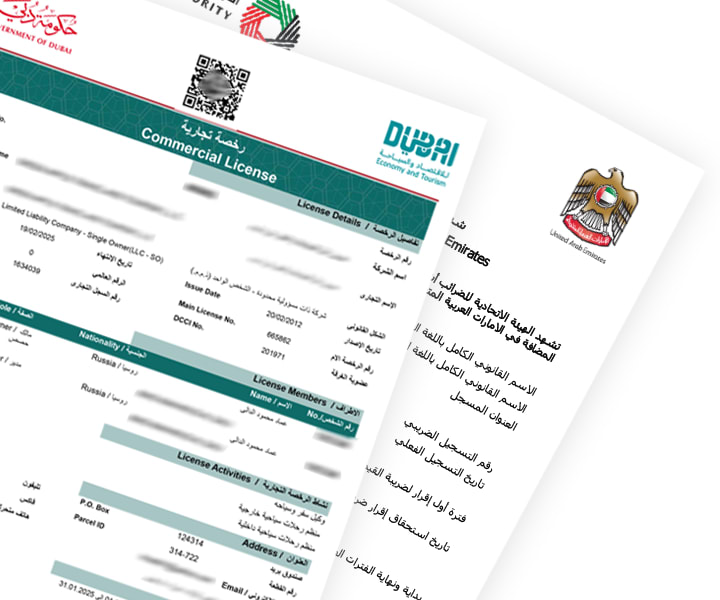
- Employment evidence: NOC or salary certificate from your UAE employer, or trade licence and establishment documents if self-employed
- Stamped personal bank statements for the last three to six months
- For a family or private visit: an invitation from your host in Romania with their identity and status documents
- For business: an invitation from the Romanian company setting out the purpose and dates
Romania reads the file as a whole. A healthy balance with no salary history behind it, or an itinerary that does not match the leave dates on your NOC, is what draws questions — not any single document.
Biometrics and the EES Border System
Fingerprints and a photograph are taken in person, which is why a first Schengen application cannot be completed without you. Once recorded, they can be reused for later Schengen applications within the permitted period, so a second trip is usually simpler than the first.
At the border, the EU's Entry/Exit System (EES) has been fully operational across all Schengen countries since 10 April 2026 — Romania included, now that it is a full member. Facial image, fingerprints and travel document data are recorded on entry and exit, and passport stamps have been replaced by digital records. Your 90-in-180 is counted automatically across the whole area. For Romania this is a genuine change: before accession, time spent there did not count against a Schengen allowance. It does now, and the count no longer depends on a legible stamp.
Processing Time
Short-stay Schengen applications carry a processing time of up to 15 days from lodging, and individual files take longer where additional checks or documents are needed. There is no paid express tier for a Schengen decision, and no agency can shorten the consulate's timeline. Applications may be lodged well ahead of travel, and doing so is the only reliable protection.
How Green Apple Travel Helps
Our service is visa assistance and full documentation preparation:
- Checking the itinerary against the main-destination rule so the file goes to the right country
- Building the complete document set for your profile and checking each item against the current checklist
- Preparing and reviewing the application form so it matches your documents exactly
- Arranging the reservations and insurance the file requires
- Booking your appointment and briefing you on what to bring
- Following the file through to the outcome and keeping you updated
Note from Green Apple Travel: our application service covers tourist, business and family-visit categories only. Long-stay national visas are a separate route governed by Romanian immigration law and are not part of our service — for those, apply through the relevant consulate directly. You attend in person to give your biometrics, and the decision belongs entirely to the Romanian authorities. Message us on WhatsApp and we will confirm whether Romania is the right mission for your trip before you commit to dates.
Common Mistakes UAE Applicants Make
- Reading pre-2024 guidance. Much of what is online still describes Romania as outside Schengen, and gets the visa, the validity and the day count all wrong.
- Assuming Romanian days are free days. Since accession they count against your 90-in-180 across all of Schengen.
- Treating a two-night Bucharest stop as the main destination on a longer European trip.
- Insurance covering Romania alone rather than the whole Schengen area.
- Bank statements that are unstamped or show a balance that appeared days before applying.
- Booking non-refundable travel before the visa is decided.
Important Disclaimer
Green Apple Travel & Tourism is a private travel and visa assistance company. We are not an embassy, consulate, government authority, VFS Global, BLS International, TLScontact, or any official visa decision-making body. Visa approval, processing time, number of entries and validity are decided solely by the relevant embassy, consulate or immigration authority. Our service covers consultation, document preparation, reservations, and application submission support. Applicants may also apply directly through the relevant embassy or consulate without using our paid assistance.
Fees & Refunds
Embassy fees, service charges, courier fees, insurance fees, and third-party charges may be non-refundable once paid or once work has started. If a visa is refused, embassy fees are usually non-refundable. Green Apple Travel & Tourism service fees are subject to our Terms & Conditions and Refund Policy.
Data & Privacy
By sending documents to us by WhatsApp, email, form upload, or in person, you consent to Green Apple Travel & Tourism reviewing and processing your personal information for the purpose of visa consultation, document preparation, and application support. Sensitive personal data such as passport copies, Emirates ID, bank statements, and employment documents will be handled only for the requested service, subject to our Privacy Policy.
Need a written quote?
We send an itemised quote in under 30 minutes.